KEY TOPICS
POPULAR SEARCHES
Brewing inclusion: what coffee farmers in Ethiopia are telling us about digital payments
Ethiopia is the birthplace of coffee, a bean deeply woven into our daily lives, social fabric, and sense of togetherness. Its aroma carries profound meaning. As someone committed to expanding access to finance for the underserved, working across the coffee value chain alongside key partners to support smallholder farmers has been a deeply rewarding journey.
For Ethiopia’s coffee farmers, the way they receive their payments has a direct impact on their day-to-day stability and opportunities. In my work, I see how even small delays or uncertainties can affect a family’s entire season. According to the latest Global Findex data, digital services are expanding nationwide, with 49% of adults now holding a bank or mobile money account as digital payment gain wider adoption. Yet many rural communities still face important challenges: limited access to banking services, unreliable connectivity, low digital skills, and a persistent gender gap that leaves women further behind in accessing financial services.
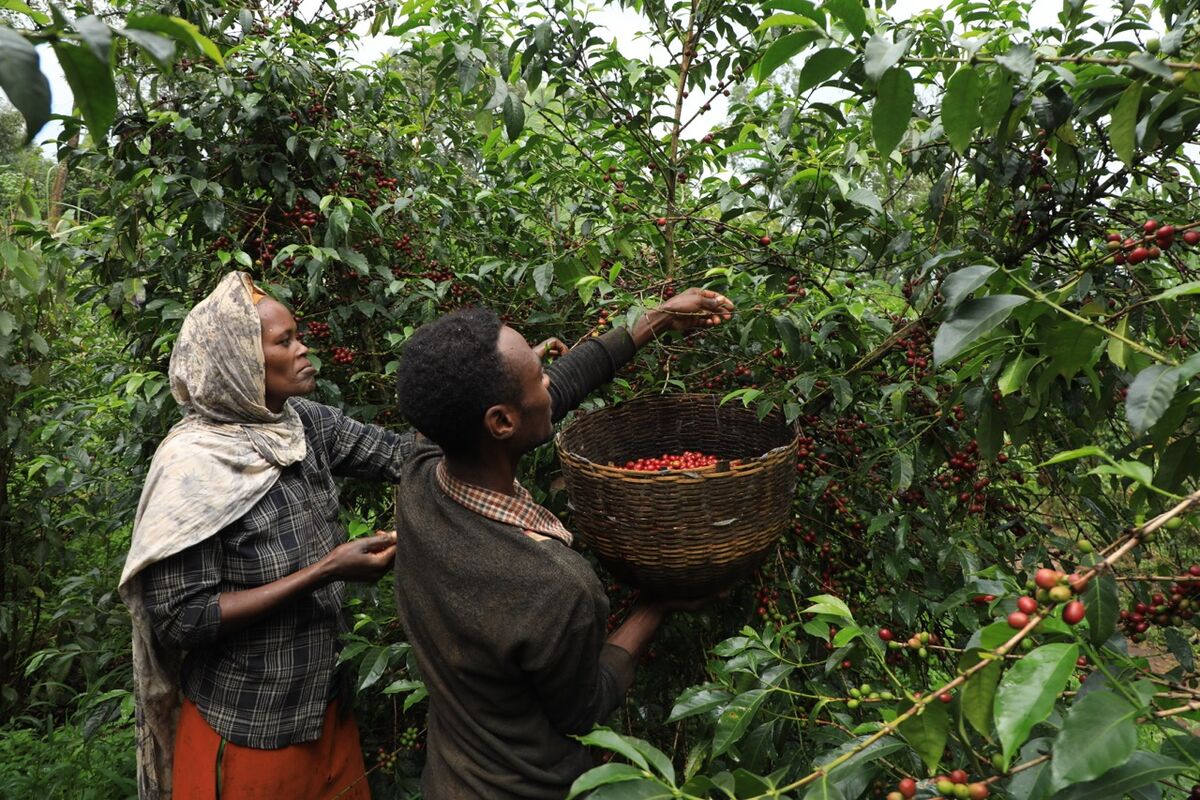
This is why building rural digital payments ecosystems has become especially relevant for smallholder farmers in the coffee value chain. At the Better Than Cash Alliance, we collaborate with the Oromia Coffee Farmers’ Cooperative Union (OCFCU) in its transition toward building a responsible digital payments ecosystem, anchored on the UN Principles for Responsible Digital Payments, within one of Ethiopia’s most strategic value chains. This includes strengthening collaboration between OCFCU, Agricultural technology (AgTech) providers to improve system integration, enhance farm and farmer data, ensuring traceability, leveraging data to design enhanced digital financial services and secure reliable digital payments.
 © Credit: OCFCU
 To better understand how farmers are experiencing this shift, 60 Decibels, a global impact measurement company that listens directly to people impacted, conducted a survey and published its findings in October 2025.
254 coffee farmers were interviewed to examine how the shift from cash to bank transfers in 2024 is being experienced through the digitization implemented with OCFCU and the Cooperative Bank of Oromia.
All farmer quotes in this article are anonymized, in line with the 60 Decibels report.
What matters most to farmers when experiencing digital payments
For coffee farmers in Oromia, responsible digital payments respond directly to everyday challenges such as delayed payments, opaque and hidden costs, and security risks associated with handling cash. The study shows how strongly farmers value systems that are fast, transparent, secure, accessible, and easy to navigate.
Rapidity: the top priority
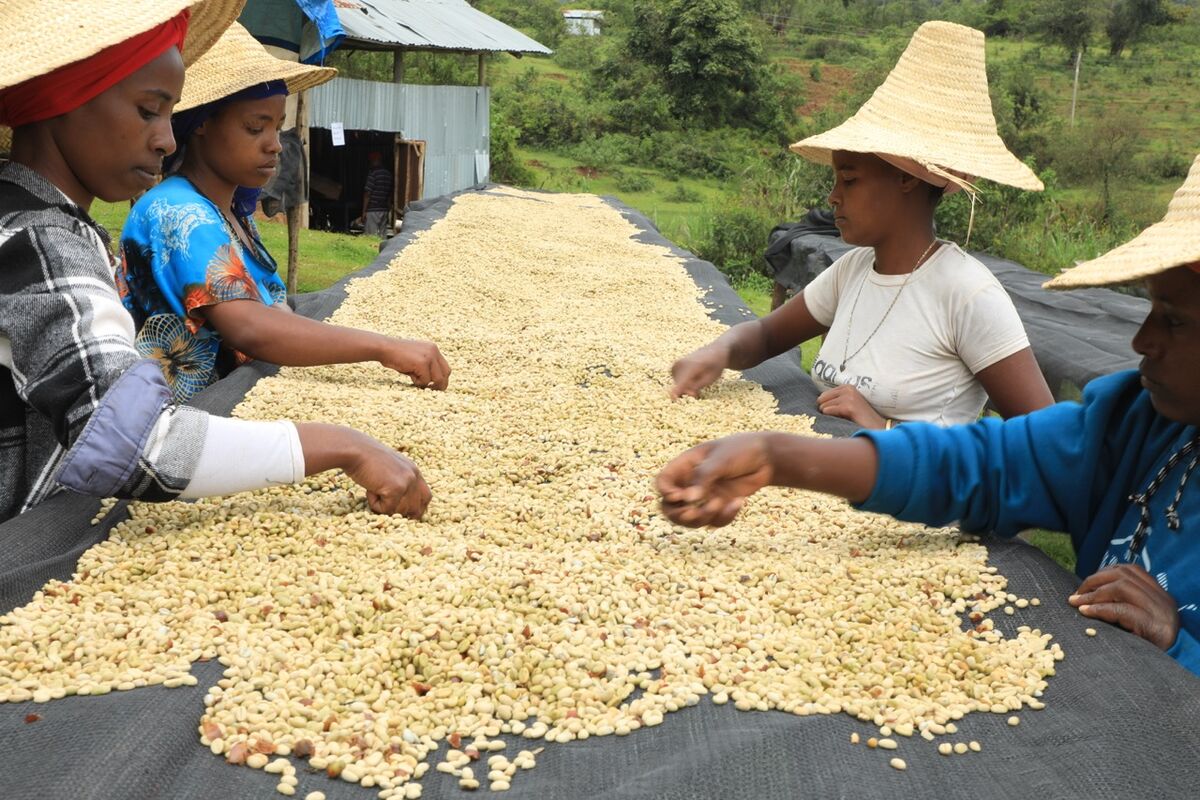
Coffee income is essential for covering household needs, and farmers emphasize how important it is to be paid quickly and timely. Under the previous cash-based system, payments typically took three weeks or more on average. The process was lengthy; primary cooperatives had to travel to the OCFCU headquarters to collect approved payment check.
By contrast, the study shows that digital payments have significantly improved payment timelines. 75% of farmers rated payment timeliness as good or very good, and the median payment time of 2.5 weeks, now closely aligns with their expectation of being paid within two weeks, showing how digital transfers have helped reduce delays.
“As farmers who rely on coffee for income, we want prompt payment because we have many personal and family expenses. The cooperative understands this and is responding quickly, so I believe it would be good if others joined as well”.
Male, 32
"Payments are now being made promptly, just as the farmer would want, and that makes me happy.”
Female, 45
 © Credit: OCFCU
 Transparency: clarity and trust in the process
Receiving money directly into their bank accounts brings clarity to a process that was once uncertain. According to the study, 81% of farmers received exactly the amount they expected, and nearly all reported no deductions when withdrawing, a key factor in building trust.
"My payment was properly deposited, and the process was clean and transparent. I was able to receive my money without any fear or concern.”
Male, 38
Farmers also welcome improved coordination between primary cooperatives and their bank.
"Because the bank services and the cooperatives are now well integrated, it has become much more convenient for us farmers. This has solved a long-standing problem of delays and confusion in payment processing.”
Male, 43
Security: a decisive factor in farmers’ preferences
Feeling protected from loss or theft strongly influences farmers’ support for bank transfers. This is one of the main reasons why 82% prefer to continue receiving digital payments in future seasons.
“Bank transactions are not only safer in terms of security concerns, but they also help track income and expenses more transparently, supporting better debt management. That’s why I strongly support continuing through the banking system.”
Male, 39
“I prefer bank transfer because the security of transferring money through the bank is highly protected, making it a very reliable option.”
Male, 36
Accessibility: progress made, challenges remaining
Before digital payments, farmers often travelled long distances just to check whether cash was available. Today, most withdraw their earnings from the nearest bank branch, a 30-minute trip followed by an average 15-minute wait, reducing unnecessary travel.
“The cooperative now buys coffee directly from farmers without requiring long travel and also provides training on financial savings and coffee production, so working with the cooperative is a great opportunity.”
Male, 33
But accessibility remains one of the main areas where challenges persist. Among the 14% who reported issues, farmers frequently mentioned cash shortages, long queues, or system failures that prevented timely withdrawals.
“At times, there was a cash scarcity at the Cooperative Bank, making it difficult to withdraw funds. Additionally, the high volume of customers being served by the bank resulted in long wait times for services.”
Male, 43
“There was a system and network problem at the bank, so we couldn’t withdraw cash.”
Male, 29
 © Credit: OCFCU
 Building confidence, digital financial literacy and saving capacity
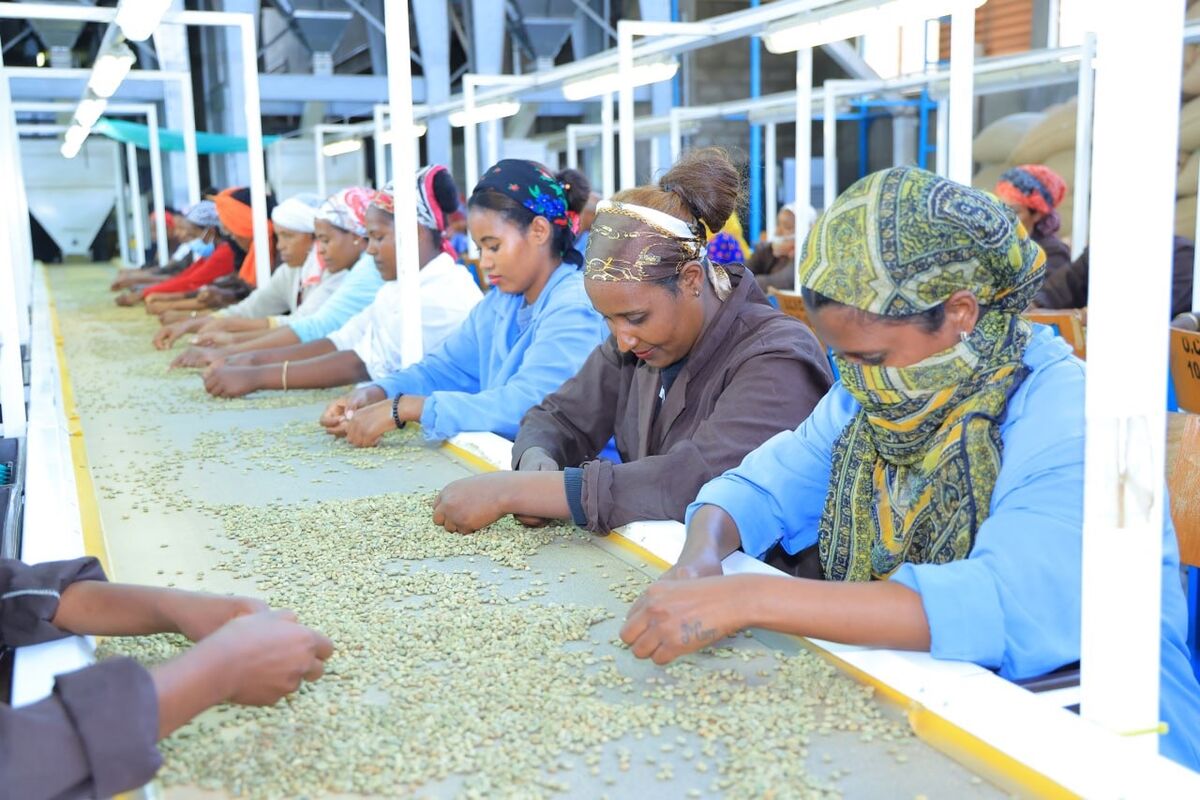
Digital payments can only succeed when farmers feel comfortable using them, and the study shows that this foundation is already strong. 71% report never needing help with their bank account, 80% feel very confident receiving transfers, and 85% use their account to save money, demonstrating how digital payments reinforce positive financial habits. Cooperative-led training further strengthens these skills.
As one farmer described:
“My understanding of the payment system has significantly improved compared to before. This is because I’ve been using the bank regularly, which has enhanced my experience. Additionally, the cooperative provides digital payment training, deepening my knowledge. Despite occasional payment delays, I believe working with this cooperative is a great opportunity.”
Female, 31
Farmers clearly value the shift to digital payments, and their feedback gives us a clear direction for where further improvements are still needed.
Turning farmers’ insights into action for impact: the next steps for digital inclusion
Listening to farmers provides insights for a clear pathway towards impactful inclusion. Their experiences, from results of the 60 Decibels study, show that digital payments are most effective when designed around the realities of rural communities, as outlined in Principle 5 of the UN Principles for Responsible Digital Payments. Acting on this feedback is essential to strengthening Ethiopia’s rural digital finance ecosystem and ensuring that digital innovation truly supports the people who power the coffee we brew.
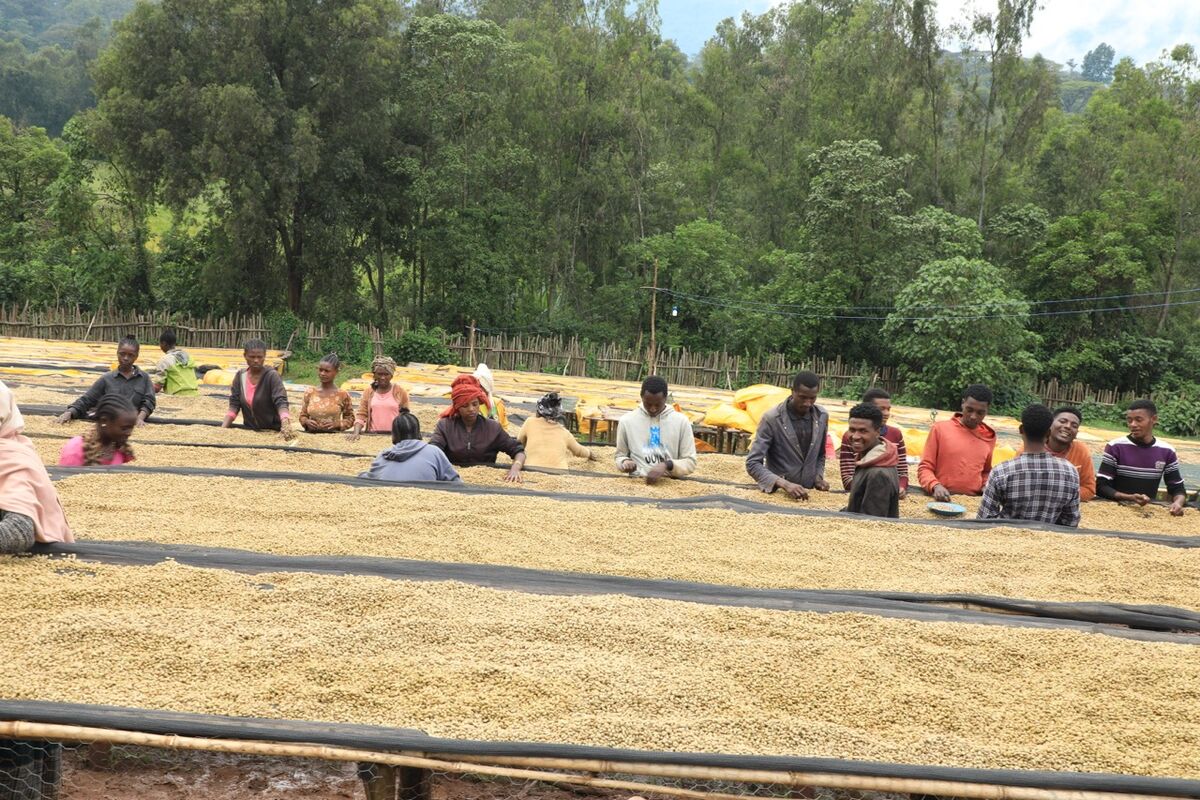
The Alliance remains committed to working with OCFCU as it scales digital payments across this important value chain and other cooperatives. With data already collected from more than 50,000 farmers, the path toward more inclusive and transparent services is taking shape. Together, we are laying out the groundwork for OCFCU’s ambition to reach 500,000 farmers and to scale to the more than 3 million smallholder coffee farmers in Ethiopia.
Farmers have told us what matters most. Now it is up to us to translate their insights into action and make sure that digital payments work for everyone.
 © Credit: OCFCU
 Downloads
-
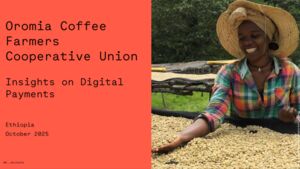
Oromia Coffee Farmers Cooperative Union Insights on Digital Payments